





























Maximizing Your Pup’s Health: The Ultimate Guide to Nutritious Dog Food Choices
As a pet owner, one of the most important decisions you can make for your furry friend is choosing the right food for them. Just like humans, dogs require a balanced diet to stay healthy and active. With so many options available on the market, it can be overwhelming to decide which food is best for your pup. In this comprehensive guide, we will explore the key factors to consider when selecting nutritious dog food choices to maximize your pup’s health.
Understanding Your Dog’s Nutritional Needs
Before diving into the world of dog food choices, it is essential to understand your dog’s nutritional needs. Dogs require a balanced diet that consists of proteins, carbohydrates, fats, vitamins, and minerals. Protein is crucial for muscle development, while carbohydrates provide energy. Fats are essential for healthy skin and coat, and vitamins and minerals support overall health and immunity.
When choosing dog food, look for options that contain high-quality ingredients and are formulated to meet the specific nutritional requirements of your dog’s breed, size, age, and activity level. Consulting with your veterinarian can help you determine the best diet for your pup based on their individual needs.
Types of Dog Food
There are several types of dog food available on the market, including dry kibble, canned food, freeze-dried, and raw diets. Each type of food has its own benefits and drawbacks, so it is essential to consider your dog’s preferences and dietary requirements when making a choice.
Dry Kibble
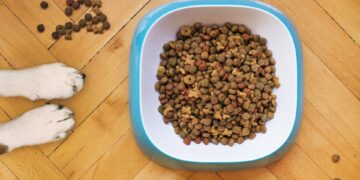
Dry kibble is one of the most popular choices for dog owners due to its convenience and affordability. It is easy to store, has a long shelf life, and helps to keep your dog’s teeth clean. Look for high-quality dry kibble options that are made with real meat, whole grains, and natural ingredients.
Canned Food
Canned food is a great option for dogs who prefer wet food or have dental issues that make chewing dry kibble difficult. Canned food tends to have higher moisture content, which can be beneficial for dogs who struggle to stay hydrated. Be sure to choose canned food that is free from artificial colors, flavors, and preservatives.
Freeze-Dried
Freeze-dried dog food is a convenient option that retains the nutritional integrity of raw ingredients while being shelf-stable. It is lightweight, easy to store, and can be rehydrated with water before serving. Freeze-dried food is a great option for dogs with food sensitivities or allergies.
Raw Diets
Raw diets consist of uncooked meat, bones, fruits, and vegetables. Advocates of raw diets believe that feeding dogs a diet similar to what their ancestors ate in the wild can improve their overall health and well-being. However, it is essential to consult with a veterinarian before transitioning your dog to a raw diet to ensure they are receiving all the necessary nutrients.
Key Ingredients to Look for in Dog Food
When selecting dog food, it is essential to read the ingredient list carefully to ensure that it contains high-quality, nutritious ingredients. Look for the following key ingredients to maximize your pup’s health:
Real Meat
Dogs are carnivores by nature and require a diet that is rich in animal protein. Look for dog food that lists real meat, such as chicken, beef, lamb, or fish, as the first ingredient. Avoid foods that contain meat by-products, as these are lower quality and less digestible for dogs.
Whole Grains
Whole grains, such as brown rice, oatmeal, and quinoa, are excellent sources of carbohydrates that provide energy and fiber for your dog. Avoid foods that contain fillers like corn, wheat, and soy, as these can be difficult for dogs to digest and may cause allergies or sensitivities.
Fruits and Vegetables
Fruits and vegetables are rich in vitamins, minerals, and antioxidants that support your dog’s overall health and immunity. Look for dog food that contains a variety of fruits and vegetables, such as sweet potatoes, carrots, blueberries, and spinach.
Healthy Fats
Healthy fats, such as omega-3 and omega-6 fatty acids, are essential for healthy skin and coat, brain function, and immunity. Look for dog food that contains sources of healthy fats, such as fish oil, flaxseed, and chicken fat.
Common Questions About Dog Food Choices
How much should I feed my dog?
The amount of food your dog needs will depend on their breed, size, age, and activity level. Consult with your veterinarian to determine the appropriate portion sizes for your pup based on their individual needs.
Should I choose grain-free dog food?
Grain-free dog food has gained popularity in recent years, but it is essential to consider your dog’s specific dietary requirements before choosing this option. Some dogs may have sensitivities to grains, while others may thrive on a diet that includes whole grains.
Can I mix different types of dog food?
Mixing different types of dog food, such as dry kibble and canned food, can provide variety and help prevent picky eating habits. However, it is essential to introduce new foods gradually to prevent digestive upset.
Conclusion
Choosing the right dog food is essential for maximizing your pup’s health and well-being. By understanding your dog’s nutritional needs, selecting high-quality ingredients, and considering their preferences and dietary requirements, you can ensure that your furry friend stays healthy and happy. Consult with your veterinarian for personalized recommendations and guidance on the best dog food choices for your pup. Remember, a well-balanced diet is the foundation of a long and healthy life for your beloved pet.