




























Nourish Your Pooch: The Ultimate Guide to Optimal Dog Health through Nutritious Food Choices
Introduction
As a pet owner, one of the most important responsibilities you have is ensuring your furry friend’s health and well-being. One of the key ways to do this is through providing your dog with a balanced and nutritious diet. In this comprehensive guide, we will explore the importance of optimal nutrition for your pooch and provide you with valuable insights on making the best food choices for your canine companion.
Why Nutrition is Crucial for Your Dog’s Health
Just like humans, dogs require a balanced diet to thrive and stay healthy. Proper nutrition plays a crucial role in supporting your dog’s overall health, including their immune system, digestion, skin and coat health, energy levels, and more. A well-balanced diet can also help prevent common health issues such as obesity, diabetes, and joint problems.
Key Nutrients for Dogs
There are several key nutrients that are essential for your dog’s health:
- Protein: Protein is essential for muscle growth and repair, as well as overall health and well-being.
- Fats: Fats provide energy and support healthy skin and coat.
- Carbohydrates: Carbohydrates are a source of energy for your dog.
- Vitamins and minerals: These micronutrients are crucial for various bodily functions, such as immune system health and bone strength.
Choosing the Right Food for Your Dog
When it comes to choosing the right food for your dog, there are several factors to consider:
Age and Life Stage
Different life stages require different nutritional needs. Puppies, adult dogs, and senior dogs all have unique dietary requirements. Make sure to choose a food that is specifically formulated for your dog’s age and life stage.
Size and Breed
Large breed dogs have different nutritional needs than small breed dogs. Additionally, certain breeds may be prone to specific health issues that can be managed through diet. Consider your dog’s size and breed when selecting their food.
Health Considerations
If your dog has specific health issues, such as allergies, digestive issues, or weight management concerns, you may need to choose a specialized diet to address these issues. Consult with your veterinarian for guidance on the best food choices for your dog’s health needs.
Common Questions About Dog Nutrition
How Much Should I Feed My Dog?
The amount of food you should feed your dog depends on several factors, including their size, age, activity level, and health status. Follow the feeding guidelines on the food packaging as a starting point, and adjust as needed based on your dog’s individual needs.
Should I Feed My Dog Wet or Dry Food?
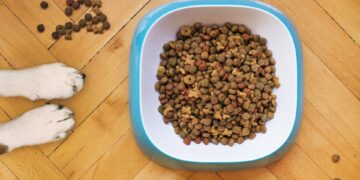
Both wet and dry dog food can be nutritionally balanced and healthy options for your pooch. Some dogs may prefer one type of food over the other, so you may need to experiment to see what your dog enjoys and thrives on. Mixing wet and dry food can also be a good option for variety.
Can I Feed My Dog Human Food?
While some human foods are safe for dogs to eat in moderation, it’s important to be cautious about feeding your dog table scraps. Some human foods can be toxic to dogs, such as chocolate, grapes, and onions. Stick to dog-safe treats and food to ensure your pooch’s health and safety.
Conclusion
Proper nutrition is essential for your dog’s health and well-being. By choosing high-quality, nutritious food for your pooch and considering their individual needs and preferences, you can help support their overall health and longevity. Consult with your veterinarian for personalized recommendations on the best food choices for your furry friend, and enjoy watching them thrive on a diet that nourishes their body and soul.
References
- https://www.akc.org/expert-advice/nutrition/best-dog-food-choosing-whats-right-for-your-dog/
- https://pets.webmd.com/dogs/guide/dog-nutrition-basics#1
- https://www.avma.org/resources-tools/pet-owners/petcare/feeding-your-pet