




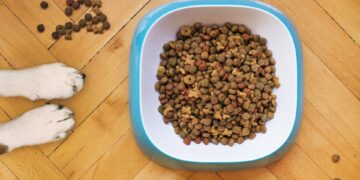

























Fueling Fido: The Ultimate Guide to Optimal Dog Health Through Nutrition
As dog owners, we want nothing but the best for our furry companions. One of the most important factors in ensuring our dogs live a long and healthy life is their nutrition. Just like with humans, a well-balanced diet is essential for optimal health in dogs. In this guide, we will explore the importance of proper nutrition for dogs, common dietary requirements, and tips for choosing the best food for your four-legged friend.
The Importance of Proper Nutrition for Dogs
Proper nutrition is the foundation of good health for dogs. Just like with humans, a balanced diet provides the essential nutrients needed for optimal growth, development, and overall well-being. Dogs require a mix of proteins, carbohydrates, fats, vitamins, and minerals to thrive. Without proper nutrition, dogs are at risk of developing a range of health issues, including obesity, nutrient deficiencies, and digestive problems.
Feeding your dog a high-quality diet is key to ensuring they receive all the nutrients they need to stay healthy. This means choosing a dog food that is formulated to meet their specific dietary requirements based on factors such as age, breed, size, and activity level.
Common Dietary Requirements for Dogs
When it comes to choosing the right food for your dog, it’s important to consider their individual dietary requirements. Dogs have specific nutritional needs that vary depending on factors such as age, breed, size, and activity level. Here are some common dietary requirements to keep in mind:
Protein
Protein is an essential nutrient for dogs as it plays a crucial role in muscle growth and repair. Dogs need a diet that is rich in high-quality protein sources such as meat, fish, and eggs. Look for a dog food that lists a protein source as the first ingredient on the label.
Carbohydrates
Carbohydrates provide dogs with energy and are an important source of fiber. While dogs do not require as many carbohydrates as humans, they still play a vital role in their diet. Look for dog foods that contain whole grains such as brown rice, oats, and barley.
Fats
Fats are another important nutrient for dogs as they provide energy and help with nutrient absorption. Look for dog foods that contain healthy fats such as omega-3 and omega-6 fatty acids from sources like fish oil and flaxseed.
Vitamins and Minerals
Vitamins and minerals are essential for a dog’s overall health and well-being. Look for dog foods that are fortified with essential vitamins and minerals to ensure your dog is getting everything they need to stay healthy.
Tips for Choosing the Best Food for Your Dog
With so many options available, choosing the best food for your dog can be overwhelming. Here are some tips to help you make an informed decision:
Read the Label
When choosing a dog food, it’s important to read the label carefully. Look for a food that lists a protein source as the first ingredient and does not contain fillers or artificial additives.
Consider Your Dog’s Age and Activity Level
Consider your dog’s age and activity level when choosing a food. Puppies, seniors, and active dogs have different nutritional needs, so be sure to select a food that is appropriate for your dog’s life stage.
Avoid Allergens
If your dog has food allergies or sensitivities, be sure to choose a food that is free from common allergens such as wheat, corn, and soy.
Consult with Your Veterinarian
If you’re unsure about which food is best for your dog, consult with your veterinarian. They can provide recommendations based on your dog’s specific needs and help you choose a food that will support their overall health and well-being.
Conclusion
Proper nutrition is essential for maintaining optimal health in dogs. By feeding your dog a balanced diet that meets their specific dietary requirements, you can help ensure they live a long and healthy life. Remember to consider factors such as age, breed, size, and activity level when choosing a food for your dog, and consult with your veterinarian if you have any questions or concerns. With the right nutrition, you can fuel Fido for a lifetime of health and happiness.