



























Mastering the Basics: Essential Dog Training Tips for Beginners
Dog training can seem like a daunting task, especially for beginners. However, with the right techniques and a little patience, you can effectively train your furry friend and build a strong bond with them. In this article, we will discuss some essential dog training tips for beginners to help you get started on the right foot.
Understanding Your Dog’s Behavior
Before you begin training your dog, it’s important to understand their behavior and motivations. Dogs are social animals that thrive on positive reinforcement and rewards. By understanding your dog’s behavior, you can tailor your training techniques to suit their needs and preferences.
Consistency is Key
Consistency is crucial when it comes to dog training. Make sure to establish clear rules and boundaries for your dog and stick to them. Consistent training will help your dog understand what is expected of them and will make the learning process more effective.
Positive Reinforcement
Positive reinforcement is one of the most effective training techniques for dogs. Use treats, praise, and affection to reward your dog when they exhibit desired behaviors. This will encourage them to repeat those behaviors and will make training more enjoyable for both of you.
Start with Basic Commands
When training your dog, start with basic commands such as sit, stay, come, and heel. These commands are essential for good behavior and can help you communicate effectively with your dog. Be patient and consistent when teaching these commands, and reward your dog for their efforts.
Use a Training Collar
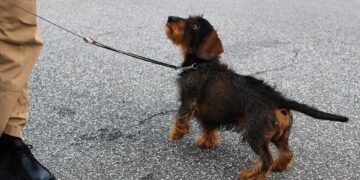
A training collar can be a useful tool when training your dog. Choose a collar that fits comfortably and use it to gently guide your dog during training sessions. Be sure to use the collar correctly and never use it to punish your dog.
Stay Calm and Patient
Training a dog takes time and patience, so it’s important to stay calm and patient throughout the process. Remember that your dog is learning and may not always get it right the first time. Stay positive and encouraging, and your dog will respond better to your training.
Set Realistic Goals
Set realistic goals for your dog training sessions. Don’t expect your dog to learn everything at once, and be prepared to work on one command at a time. Break down training into small steps and celebrate your dog’s progress along the way.
Practice Regularly
Consistent practice is essential for successful dog training. Make sure to set aside time each day to work on training with your dog. Short, frequent training sessions are more effective than long, infrequent sessions, so aim for regular practice to see the best results.
Seek Professional Help if Needed
If you’re struggling with training your dog or if you feel overwhelmed, don’t hesitate to seek professional help. A qualified dog trainer can provide guidance and support to help you and your dog succeed in training. Don’t be afraid to ask for help when you need it.
Conclusion
Training your dog can be a rewarding experience that strengthens your bond and improves your dog’s behavior. By understanding your dog’s behavior, using positive reinforcement, and practicing regularly, you can effectively train your dog and set them up for success. Remember to stay patient, consistent, and positive throughout the training process, and don’t hesitate to seek professional help if needed. With the right techniques and a little dedication, you can master the basics of dog training and enjoy a well-behaved, happy pup.