





























Unleashing the Bond: A Guide to Building a Strong Relationship with Your Dog and Lead Training
Having a strong bond with your dog is essential for a happy and fulfilling relationship. Building this bond requires time, patience, and effort from both you and your furry friend. In this guide, we will explore the key components of developing a strong relationship with your dog, as well as tips for lead training to ensure a well-behaved and obedient companion.
Building a Strong Relationship with Your Dog
Building a strong relationship with your dog starts with understanding their needs and communicating effectively. Dogs are social animals that thrive on companionship and interaction with their owners. Here are some tips to help you strengthen your bond with your canine companion:
1. Spend Quality Time Together
Make time each day to spend quality time with your dog. This can include going for walks, playing games, or simply cuddling on the couch. Regular interaction will help your dog feel loved and secure, strengthening your bond in the process.
2. Communicate Clearly
Dogs communicate through body language, tone of voice, and behavior. Make sure to pay attention to your dog’s cues and respond accordingly. Use positive reinforcement techniques, such as treats and praise, to reinforce good behavior and correct any undesirable actions.
3. Establish Trust and Respect
Trust and respect are the foundation of any strong relationship, including the one you have with your dog. Be consistent in your training and interactions, and always follow through with commands and expectations. This will help your dog see you as a reliable and trustworthy leader.
Lead Training
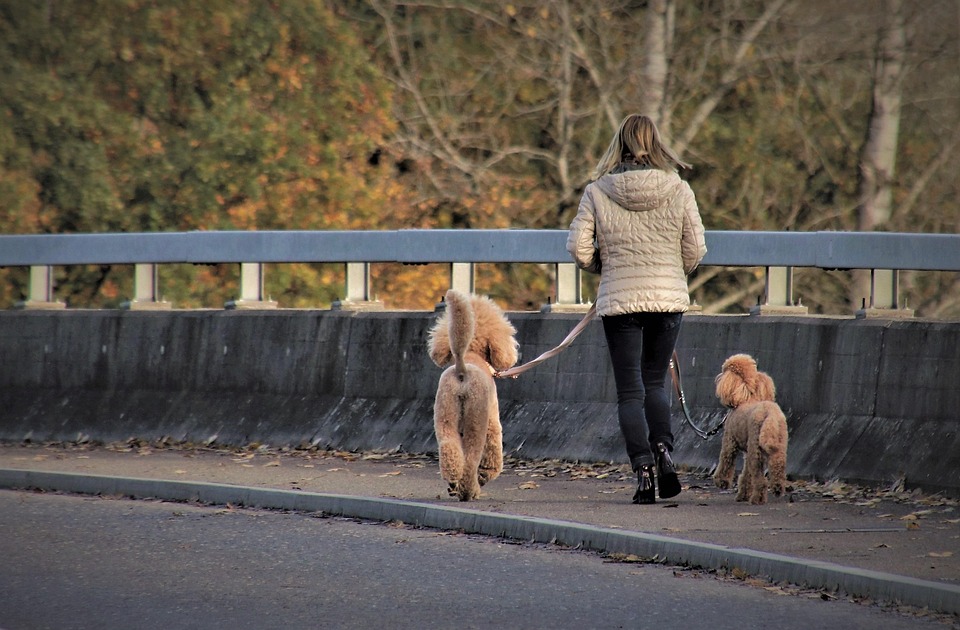
Lead training is an essential part of owning a dog. A well-trained dog that walks politely on a leash is not only a joy to be around but also ensures their safety and the safety of others. Here are some tips for lead training your dog:
1. Start Early
It’s important to start lead training your dog as early as possible. Puppies are more receptive to learning new behaviors, so take advantage of this critical period to establish good walking habits.
2. Use Positive Reinforcement
Positive reinforcement is the most effective way to train your dog to walk on a leash. Reward good behavior with treats, praise, and affection, and ignore or redirect any unwanted behavior. This will help your dog associate walking on a leash with positive experiences.
3. Be Consistent
Consistency is key when it comes to lead training. Use the same commands and techniques each time you walk your dog, and don’t give in to their demands or pull on the leash. This will help your dog understand what is expected of them and reinforce good walking behavior.
Common Questions About Building a Strong Relationship with Your Dog
Here are some common questions about building a strong relationship with your dog:
1. How do I know if my dog trusts me?
Trust is built over time through consistent interactions and positive experiences. If your dog follows your commands, seeks out your attention, and looks to you for guidance, these are all signs that they trust you.
2. How can I improve my communication with my dog?
Improving your communication with your dog involves paying attention to their body language, tone of voice, and behavior. Use clear and consistent commands, and always follow through with positive reinforcement or redirection when necessary.
3. What should I do if my dog is not responding to training?
If your dog is not responding to training, it’s important to reassess your approach. Make sure you are using positive reinforcement techniques, being consistent in your commands, and setting realistic expectations for your dog. If needed, seek the help of a professional trainer for additional support.
Conclusion
Building a strong relationship with your dog takes time, patience, and dedication. By spending quality time together, communicating effectively, and establishing trust and respect, you can create a bond that will last a lifetime. Additionally, lead training is essential for a well-behaved and obedient dog, ensuring their safety and the safety of others. By following the tips outlined in this guide, you can unleash the bond with your dog and enjoy a harmonious and fulfilling relationship.
Remember, every dog is unique, so it’s important to tailor your approach to their individual needs and personality. With love, patience, and consistency, you can build a strong relationship with your furry friend that will bring joy and companionship for years to come.