



























The Ultimate Guide to Dog Ownership: Essential Tips for New Pet Parents
Bringing a new dog into your home can be an exciting and rewarding experience. However, it also comes with a lot of responsibility. As a new pet parent, there are several essential tips that you should keep in mind to ensure that your furry friend is happy, healthy, and well-cared for. In this guide, we will cover everything you need to know about dog ownership, from choosing the right breed to training and grooming your new pet.
Choosing the Right Breed
One of the first decisions you will need to make as a new pet parent is choosing the right breed of dog for your lifestyle. Different breeds have different temperaments, energy levels, and grooming requirements, so it’s important to do your research and find a breed that fits your needs. Consider factors such as size, activity level, and compatibility with children or other pets when making your decision.
Preparing Your Home
Before bringing your new dog home, it’s important to make sure that your living space is safe and welcoming for your furry friend. Remove any potential hazards such as toxic plants, electrical cords, and small objects that could be swallowed. Set up a comfortable bed, food and water bowls, and toys for your new pet to enjoy.
Training and Socialization
Training and socialization are key components of responsible dog ownership. Start basic obedience training as soon as possible to establish good behavior and prevent common issues such as excessive barking or jumping. Socialize your dog with other animals and people to help them become well-adjusted and friendly companions.
Health and Nutrition
Proper nutrition is essential for your dog’s overall health and well-being. Choose a high-quality dog food that is appropriate for your pet’s age, size, and activity level. Make sure your dog has access to fresh water at all times, and schedule regular veterinary check-ups to monitor their health and catch any potential issues early.
Exercise and Playtime
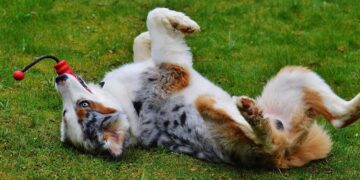
Dogs are active animals that require regular exercise to stay healthy and happy. Make sure to provide your dog with plenty of opportunities for physical activity, such as daily walks, trips to the dog park, or interactive play sessions. Exercise not only helps your dog maintain a healthy weight but also provides mental stimulation and prevents boredom.
Grooming and Hygiene
Regular grooming is an important part of caring for your dog’s physical health and appearance. Depending on the breed, your dog may require regular brushing, bathing, nail trimming, and ear cleaning. Establish a grooming routine early on to keep your dog looking and feeling their best.
Traveling with Your Dog
If you plan to travel with your dog, it’s important to make sure they are safe and comfortable during the journey. Invest in a secure travel crate or harness to keep your dog secure in the car, and pack essentials such as food, water, and a favorite toy to keep them calm and happy. Research pet-friendly accommodations and activities at your destination to ensure a stress-free trip for both you and your dog.
Common Questions and Concerns
As a new pet parent, you may have some common questions and concerns about caring for your dog. Here are a few answers to some of the most frequently asked questions:
How often should I feed my dog?
Most adult dogs should be fed twice a day, while puppies may require more frequent meals. Consult with your veterinarian to determine the appropriate feeding schedule and portion sizes for your dog.
How can I house train my dog?
House training is a process that requires patience and consistency. Take your dog outside frequently, especially after meals or naps, and reward them for going to the bathroom outside. Clean up accidents promptly and avoid punishing your dog for mistakes.
What vaccinations does my dog need?
Regular vaccinations are essential for protecting your dog from common diseases. Your veterinarian can recommend a vaccination schedule based on your dog’s age, lifestyle, and risk factors.
How can I prevent my dog from chewing on furniture?
Dogs chew as a natural behavior, but it can be frustrating when they target your furniture. Provide your dog with appropriate chew toys and bones to redirect their chewing behavior. Supervise your dog when they are unsupervised and consider using deterrent sprays on furniture legs to discourage chewing.
Conclusion
Being a responsible dog owner requires time, effort, and dedication, but the rewards of a happy and healthy canine companion are well worth it. By following the essential tips outlined in this guide, you can ensure that your new pet has everything they need to thrive in their new home. Remember to prioritize your dog’s health, safety, and happiness, and enjoy the special bond that comes with being a pet parent.
Whether you are a first-time dog owner or a seasoned pet parent, there is always something new to learn about caring for your furry friend. Stay informed, stay patient, and most importantly, stay loving towards your dog, and you will both enjoy a long and fulfilling relationship together.