





















The Allergy-Friendly Pup: Discovering the Delight of Small Hypoallergenic Dogs
For many individuals who suffer from allergies, owning a dog may seem like an impossible dream. However, there is hope for allergy sufferers who crave the companionship of a furry friend. Small hypoallergenic dogs are becoming increasingly popular for their low-shedding coats and reduced dander production. In this article, we will explore the world of allergy-friendly pups and the joy they can bring to their owners.
What Makes Small Hypoallergenic Dogs Different?
Small hypoallergenic dogs have coats that produce less dander, the primary allergen that triggers allergic reactions in humans. Dander is a combination of dead skin cells and hair that can be shed by dogs with regularity. Breeds that are considered hypoallergenic produce less dander, making them a better option for allergy sufferers. In addition to their low dander production, many small hypoallergenic dogs also have coats that shed minimally, further reducing the allergens present in the home.
Popular Small Hypoallergenic Dog Breeds
There are several small hypoallergenic dog breeds that are beloved for their friendly personalities and allergy-friendly qualities. Some popular small hypoallergenic breeds include:
- Maltese
- Poodle
- Bichon Frise
- Shih Tzu
- Yorkshire Terrier
These breeds are known for their affectionate nature, intelligence, and hypoallergenic coats, making them ideal companions for individuals with allergies.
The Benefits of Owning a Small Hypoallergenic Dog
There are numerous benefits to owning a small hypoallergenic dog, especially for individuals who suffer from allergies. Some of the key advantages include:
- Reduced allergens: Small hypoallergenic dogs produce less dander and shed less, reducing the allergens present in the home.
- Low maintenance grooming: Many small hypoallergenic breeds have coats that require minimal grooming, making them easier to care for.
- Compact size: Small hypoallergenic dogs are well-suited for apartment living and are easy to transport.
- Companionship: Small hypoallergenic dogs are known for their loving and loyal nature, providing companionship and emotional support to their owners.
Caring for a Small Hypoallergenic Dog
While small hypoallergenic dogs may require less grooming than other breeds, they still require regular care to stay healthy and happy. Some important tips for caring for a small hypoallergenic dog include:
- Regular grooming: While small hypoallergenic dogs may not shed as much as other breeds, they still require regular grooming to prevent matting and tangles in their coats.
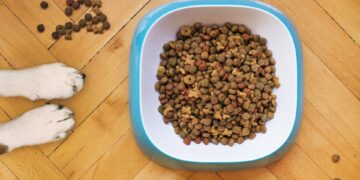
- Proper nutrition: Small hypoallergenic dogs should be fed a high-quality diet that meets their nutritional needs and supports their overall health.
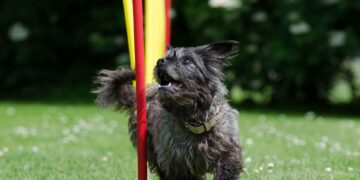
- Regular exercise: Small hypoallergenic dogs, like all dogs, require regular exercise to stay healthy and prevent obesity.
- Veterinary care: Regular veterinary check-ups are essential to ensure that your small hypoallergenic dog remains in good health.
Common Questions About Small Hypoallergenic Dogs
Here are some common questions that individuals may have about small hypoallergenic dogs:
Are small hypoallergenic dogs suitable for individuals with severe allergies?
While small hypoallergenic dogs produce less dander and shed less than other breeds, they may still trigger allergic reactions in some individuals with severe allergies. It is important to spend time with a small hypoallergenic dog before bringing one into your home to assess your sensitivity to their dander.
Do small hypoallergenic dogs require special grooming?
While small hypoallergenic dogs may not shed as much as other breeds, they still require regular grooming to keep their coats healthy and free of matting. Some small hypoallergenic breeds may require professional grooming to maintain their coats.
Are small hypoallergenic dogs good with children?
Many small hypoallergenic breeds are known for their friendly and gentle nature, making them good companions for children. However, it is important to supervise interactions between small dogs and young children to ensure that both parties are safe and comfortable.
Conclusion
Small hypoallergenic dogs offer a wonderful solution for individuals who suffer from allergies but still crave the companionship of a furry friend. With their low-shedding coats and reduced dander production, these delightful pups are ideal companions for allergy sufferers. By choosing a small hypoallergenic dog, individuals can enjoy the love and companionship of a canine companion without the worry of allergens. With proper care and attention, these small hypoallergenic dogs can bring joy and happiness to their owners for years to come.