




















Tiny Wonders: Unleashing the Charm of Small Hypoallergenic Dogs
When it comes to choosing a furry companion, small hypoallergenic dogs are a popular choice for many pet owners. These pint-sized pups pack a lot of personality into their tiny frames and are perfect for individuals or families living in apartments or smaller homes. In this article, we will explore the charm of small hypoallergenic dogs, their unique characteristics, and how to care for them.
What are Small Hypoallergenic Dogs?
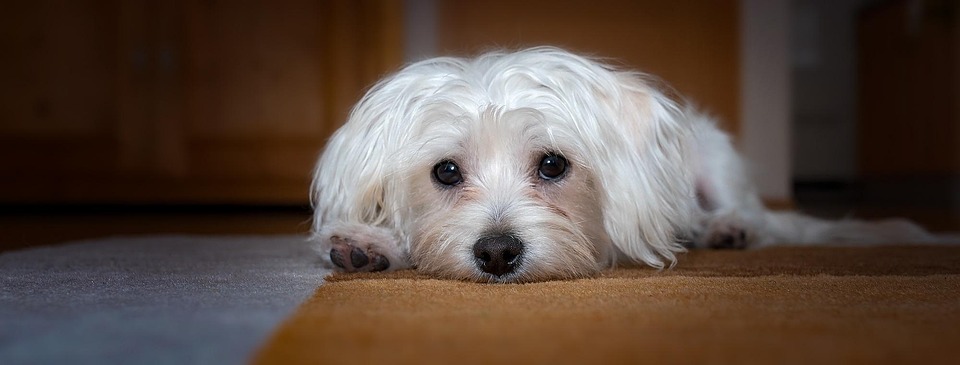
Small hypoallergenic dogs are breeds that produce less dander and shed less than their non-hypoallergenic counterparts. This makes them a great option for individuals with allergies or asthma who still want to enjoy the companionship of a dog. Some popular small hypoallergenic breeds include the Maltese, Shih Tzu, Bichon Frise, and Poodle.
The Charm of Small Hypoallergenic Dogs
Despite their small size, these dogs have big personalities. They are often affectionate, playful, and loyal companions. Many small hypoallergenic breeds are great with children and other pets, making them a wonderful addition to any family. Their low shedding coats also make them easier to groom and maintain.
In addition to their charming personalities, small hypoallergenic dogs are often portable and easy to travel with. Their small size makes them great companions for on-the-go lifestyles, whether you’re running errands around town or going on a road trip.
Caring for Small Hypoallergenic Dogs
While small hypoallergenic dogs may require less grooming than other breeds, they still require regular care to keep them happy and healthy. Here are some tips for caring for your small hypoallergenic pup:
Regular grooming
Despite their low shedding coats, small hypoallergenic dogs still require regular grooming to prevent matting and tangles. This includes brushing their coat, trimming their nails, and cleaning their ears.
Proper nutrition
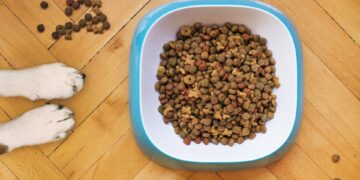
Small hypoallergenic dogs have specific dietary needs, so it’s important to feed them a high-quality diet that is appropriate for their size and age. Consult with your veterinarian to determine the best food for your pup.
Regular exercise
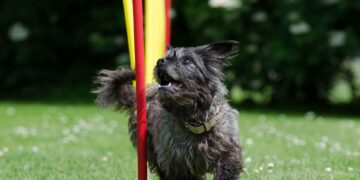
Just because they are small doesn’t mean they don’t need exercise! Small hypoallergenic dogs still require daily walks and playtime to keep them physically and mentally stimulated.
Frequently Asked Questions about Small Hypoallergenic Dogs
Are small hypoallergenic dogs good for people with allergies?
While no dog is completely hypoallergenic, small hypoallergenic breeds produce less dander and shed less, making them a better option for individuals with allergies. It’s always a good idea to spend time with a breed before bringing them into your home to see how your allergies react.
Do small hypoallergenic dogs get along with other pets?
Many small hypoallergenic breeds are known for their friendly and social nature, making them great companions for other pets. However, it’s important to properly introduce your new dog to any existing pets to ensure a smooth transition.
How much exercise do small hypoallergenic dogs need?
Small hypoallergenic dogs may be small in size, but they still require daily exercise to stay healthy and happy. This can include walks, playtime, and interactive toys to keep them mentally stimulated.
Conclusion
Small hypoallergenic dogs are a charming and delightful addition to any family. Their small size, low shedding coats, and friendly personalities make them a popular choice for pet owners of all ages. By providing them with proper care, nutrition, and exercise, you can ensure that your small hypoallergenic pup lives a long and happy life. Consider adding a small hypoallergenic dog to your family today and experience the joy and love they bring into your home.