




























The Ultimate Guide to Mastering Your Dog’s Behavior: Proven Training Techniques for a Well-Behaved Pup
Having a well-behaved dog is a goal that many pet owners strive for. A well-trained dog is not only a joy to be around, but also ensures the safety and happiness of both the dog and its human companions. In this comprehensive guide, we will explore proven training techniques that will help you master your dog’s behavior and achieve a well-behaved pup.
Understanding Your Dog’s Behavior
Before you can begin training your dog, it’s important to understand their behavior. Dogs are pack animals and thrive on structure and routine. They look to their human companions for guidance and leadership. By understanding your dog’s natural instincts and behaviors, you can tailor your training approach to best suit their needs.
Common Behavioral Issues
There are several common behavioral issues that many dog owners face, including:
- Aggression
- Separation anxiety
- Barking
- Jumping
- Leash pulling
Each of these behaviors can be addressed through proper training techniques. By identifying the root cause of the behavior, you can create a training plan that will effectively address the issue and help your dog become a well-behaved member of your family.
Training Techniques for a Well-Behaved Pup
There are several training techniques that can help you master your dog’s behavior and achieve a well-behaved pup. These techniques include:
Positive Reinforcement
Positive reinforcement is one of the most effective training techniques for dogs. By rewarding your dog for good behavior with treats, praise, or toys, you can encourage them to repeat that behavior in the future. This technique helps to build a strong bond between you and your dog and makes training fun and rewarding for both of you.
Consistency
Consistency is key when it comes to training your dog. Dogs thrive on routine and structure, so it’s important to be consistent in your training methods and expectations. By setting clear rules and boundaries for your dog and enforcing them consistently, you can help them understand what is expected of them and build good habits over time.
Patience
Patience is essential when training your dog. Learning new behaviors takes time, so it’s important to be patient and understanding with your pup as they learn and grow. Remember to praise your dog for their progress, even if it’s small, and be patient as they work towards becoming a well-behaved member of your family.
Common Questions About Dog Behavior
How can I stop my dog from barking excessively?
Excessive barking can be a common behavioral issue for many dogs. To address this behavior, it’s important to identify the root cause of the barking. Is your dog barking out of boredom, fear, or anxiety? Once you understand why your dog is barking, you can create a training plan to address the behavior. Positive reinforcement techniques, such as rewarding your dog for quiet behavior, can be effective in reducing excessive barking.
How can I stop my dog from jumping on people?
Jumping on people is a common behavior for many dogs, especially when they are excited or seeking attention. To address this behavior, it’s important to teach your dog an alternative behavior, such as sitting or staying, that they can do instead of jumping. Consistent training and positive reinforcement can help your dog learn to greet people politely without jumping.
How can I stop my dog from pulling on the leash?
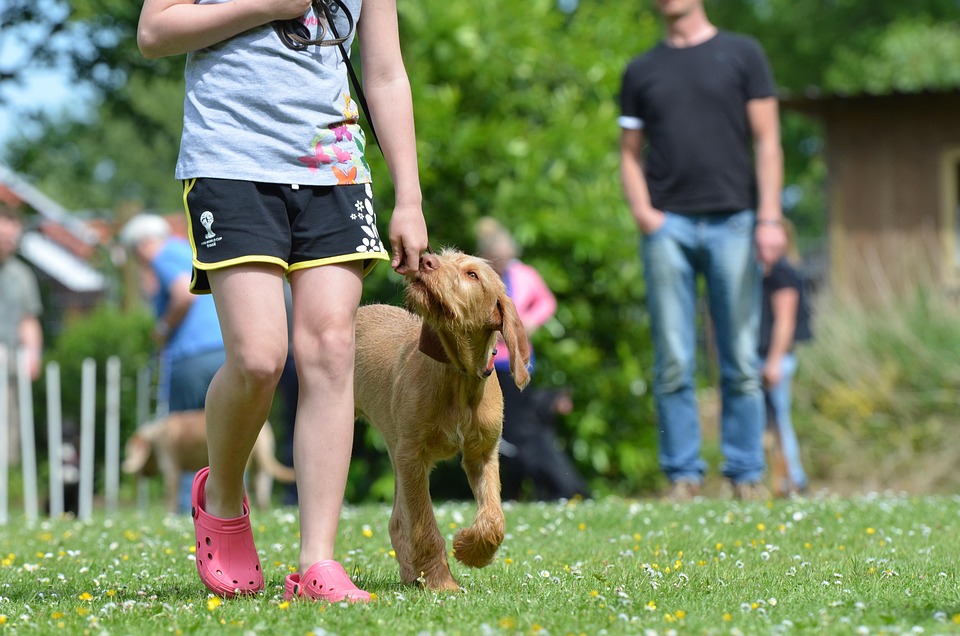
Leash pulling can be a frustrating behavior for many dog owners. To address this behavior, it’s important to teach your dog to walk politely on a leash. Using positive reinforcement techniques, such as rewarding your dog for walking calmly by your side, can help them learn to walk on a loose leash. Consistency and patience are key when training your dog to walk politely on a leash.
Conclusion
Training your dog to be well-behaved requires time, patience, and consistency. By understanding your dog’s behavior, using positive reinforcement techniques, and addressing common behavioral issues, you can help your dog become a well-behaved member of your family. Remember to be patient and understanding with your pup as they learn and grow, and celebrate their progress along the way. With the right training techniques and a little bit of dedication, you can master your dog’s behavior and enjoy a happy, well-behaved pup for years to come.