





















The Perfect Pup: Easy Training Tips for Small Hypoallergenic Dogs
Small hypoallergenic dogs are a popular choice for many pet owners who suffer from allergies. These breeds are known for their low shedding coats and minimal dander, making them a great option for those with sensitivities. However, training these small pups can come with its own set of challenges. In this article, we will provide you with easy training tips to help you raise the perfect pup.
1. Start Early
One of the most important things you can do when training a small hypoallergenic dog is to start early. Puppies are like sponges, soaking up information and learning quickly. By starting training as soon as you bring your new pup home, you can establish good habits early on.
Focus on basic commands such as sit, stay, and come, and be consistent with your training. Use positive reinforcement techniques such as treats and praise to reward good behavior, and be patient as your pup learns.
2. Socialization is Key
Socialization is crucial for all dogs, but especially for small breeds. Exposing your pup to a variety of people, animals, and environments early on can help prevent behavioral issues down the road.
Take your pup to puppy classes, dog parks, and on walks in different neighborhoods to help them become well-adjusted and confident around new experiences. Positive social interactions can help your pup learn to trust and feel comfortable in different situations.
3. Set Boundaries
It’s important to establish boundaries with your small hypoallergenic dog from the beginning. Determine where they are allowed to go in the house, where they can sleep, and what kind of behaviors are acceptable.
Consistency is key when setting boundaries. If you don’t want your pup on the furniture, don’t allow them up there even just once. Use positive reinforcement to redirect your pup to a more appropriate behavior, such as a dog bed or designated spot on the floor.
4. Use Positive Reinforcement
Positive reinforcement is a powerful training tool for small hypoallergenic dogs. Rewarding good behavior with treats, praise, and affection can help your pup learn what is expected of them and encourage them to repeat that behavior in the future.
When your pup follows a command or exhibits good behavior, immediately reward them with a treat and praise. This positive association will help your pup learn what behaviors are desirable and increase the likelihood of them repeating those behaviors in the future.
5. Be Patient and Consistent
Training a small hypoallergenic dog takes time and patience. Be consistent in your training methods and expectations, and don’t get discouraged if your pup doesn’t pick up on things right away.
Remember that every dog is different and learns at their own pace. Stay patient and positive, and celebrate small victories along the way. Consistency is key in training, so be sure to stick with your training plan and enforce rules consistently.
6. Seek Professional Help if Needed
If you’re struggling with training your small hypoallergenic dog, don’t be afraid to seek professional help. A dog trainer or behaviorist can provide you with valuable guidance and support to help you and your pup succeed.
Professional trainers can offer personalized training plans tailored to your pup’s specific needs and help you address any behavior issues that may arise. They can also provide you with tips and techniques to help you build a strong bond with your pup and create a positive training experience for both of you.
7. Exercise and Mental Stimulation
Small hypoallergenic dogs may be small in size, but they still need plenty of exercise and mental stimulation to stay happy and healthy. Make sure to provide your pup with regular walks, playtime, and interactive toys to keep them physically and mentally engaged.
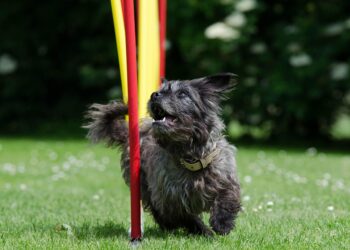
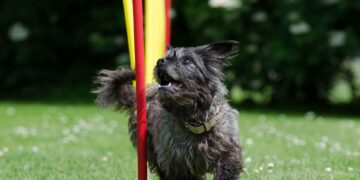
Engaging your pup in activities such as puzzle toys, agility courses, and obedience training can help keep their minds sharp and prevent boredom and destructive behaviors. A tired and stimulated pup is a well-behaved pup, so make sure to provide plenty of opportunities for exercise and mental stimulation.
8. Grooming and Care
Small hypoallergenic dogs may not shed as much as other breeds, but they still require regular grooming and care to keep their coats healthy and free of mats. Brush your pup’s coat regularly to prevent tangles and matting, and bathe them as needed to keep their skin clean and free of allergens.
Trim your pup’s nails, clean their ears, and brush their teeth regularly to maintain their overall health and hygiene. Regular grooming not only keeps your pup looking their best, but it also helps prevent skin issues, infections, and other health problems.
Conclusion
Training a small hypoallergenic dog may come with its challenges, but with patience, consistency, and positive reinforcement, you can raise the perfect pup. Start early, socialize your pup, set boundaries, and seek professional help if needed to ensure a successful training experience.
Remember to provide your pup with plenty of exercise and mental stimulation, and take care of their grooming and hygiene needs to keep them healthy and happy. With these easy training tips, you can enjoy a well-behaved and well-adjusted small hypoallergenic dog as a beloved member of your family.